Access
Last-minute, and never a problem: the final ticket
How the seat that officially does not exist — a cup final, a sold-out premiere, opening night — still ends up in the right hands.
By the EditorsMarch 20262 min read
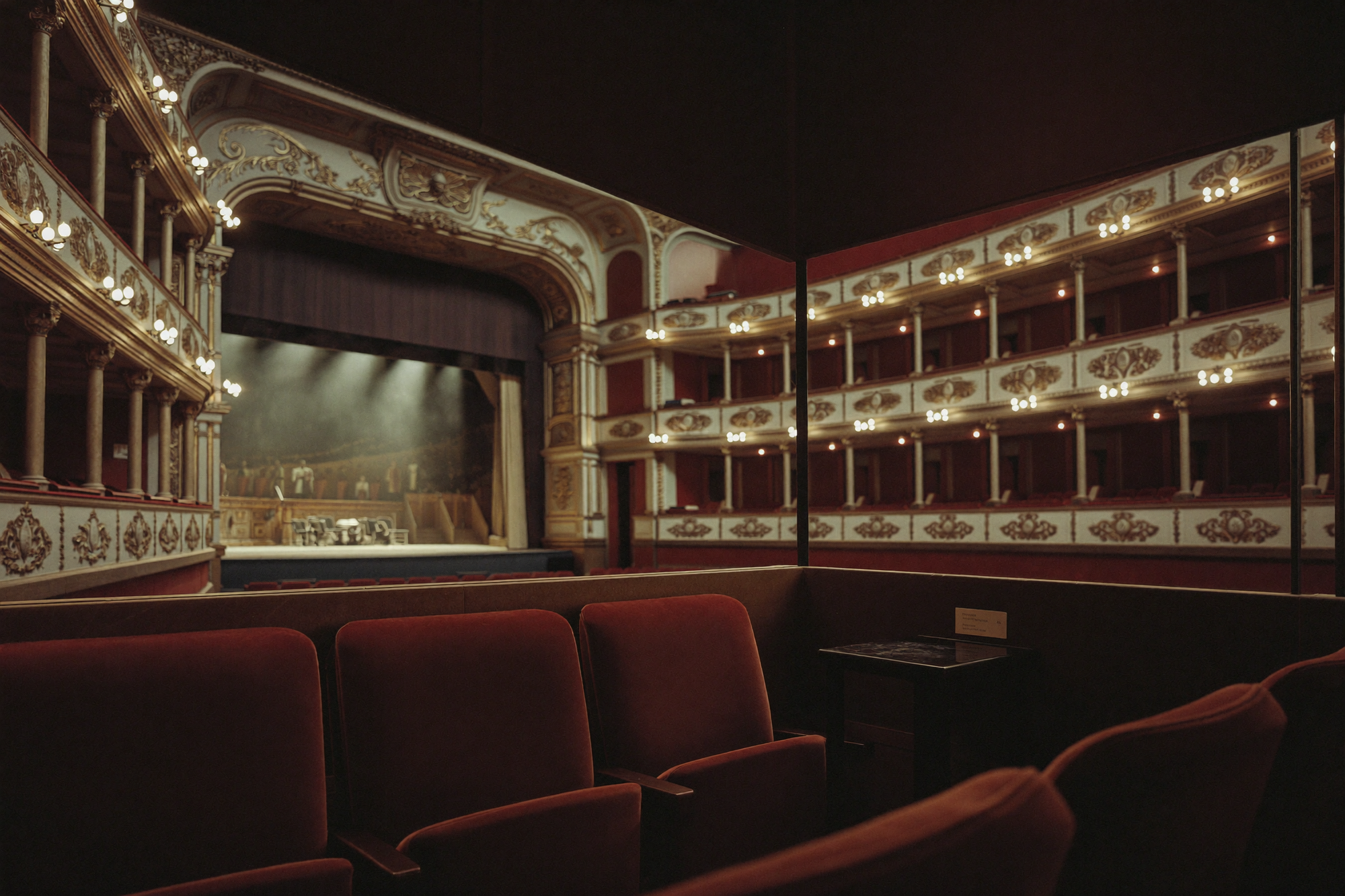
How the seat that officially does not exist — a cup final, a sold-out premiere, opening night — still ends up in the right hands.
The call tends to come late in the day. A club has reached a final that few quite expected, or a season has ended in the way that turns an ordinary Saturday into the only Saturday that matters. The seats sold out months ago, and every official channel says the same thing: there is nothing to be had. That is usually the moment we are asked, and it is far less of a problem than it appears.
An event that looks closed from the outside is, seen from within, a set of allocations. Governing bodies hold seats back. Sponsors are given pairs they do not always use. Broadcasters, hospitality partners and the clubs themselves all sit on inventory that moves quietly in the final days. A sold-out house is not an empty cupboard; it is a full one whose doors are simply not open to the public.
The work, then, is less about searching and more about knowing. We keep relationships with the people who hold these seats long before anyone needs them, so that when a request arrives we are speaking to a familiar voice rather than a switchboard. Returns come back later than most assume. Held pairs are released on the morning itself. A place that seemed impossible on Thursday can be settled by Friday afternoon, without theatre and without any scramble the member ever has to witness.
What we will not do is dress up uncertainty as a promise. If a seat can be had honourably, we have it, and we confirm only what is real. When something genuinely cannot be done, we say so early and plainly, and we generally have an alternative worth considering before the sentence is finished. Discretion runs through all of it; the people we work with value the fact that no one need ever know how the evening came together.
In practice it means a member mentions the match in passing and then hears very little until the details arrive: where to be, at what time, and how to get in. The negotiation, the waiting, the second and third calls, none of it reaches them. What reaches them is a seat, often a good one, and an evening that feels as though it were always going to happen.
That is the whole of it. The ticket that supposedly does not exist almost always does. Our part is simply to know where it is, and to place it in the right hands before the moment passes.