Experiences
Designing a once-in-a-lifetime day
From a half-formed wish to an unforgettable afternoon — how a single idea becomes an experience money alone cannot book.
By the EditorsJune 20262 min read
From a half-formed wish to an unforgettable afternoon — how a single idea becomes an experience money alone cannot book.
Most of the days people remember were never planned to be memorable. They simply happened. What we are asked to do, now and then, is rarer: to take a half-formed wish and turn it into an afternoon someone will carry for the rest of their life. It begins not with a booking, but with a conversation, and with listening for the thing beneath the thing that is actually being said.
When a wish first arrives it is usually vague. A place they once read about. A dinner they cannot stop describing. A person they have admired from a distance for years. Our work starts by drawing that out gently, without rushing towards solutions. The finest experiences are almost never the obvious version of the request. They are the version we find once we understand why the request matters to the person making it.
We ask small questions and let the answers accumulate. Who is this for. What do they already have. What has disappointed them before. What would make them go quiet. From these fragments a shape emerges, not a checklist but a feeling we are trying to produce at a particular hour of a particular day. Everything that follows is in service of that feeling, and nothing else is allowed to intrude upon it.
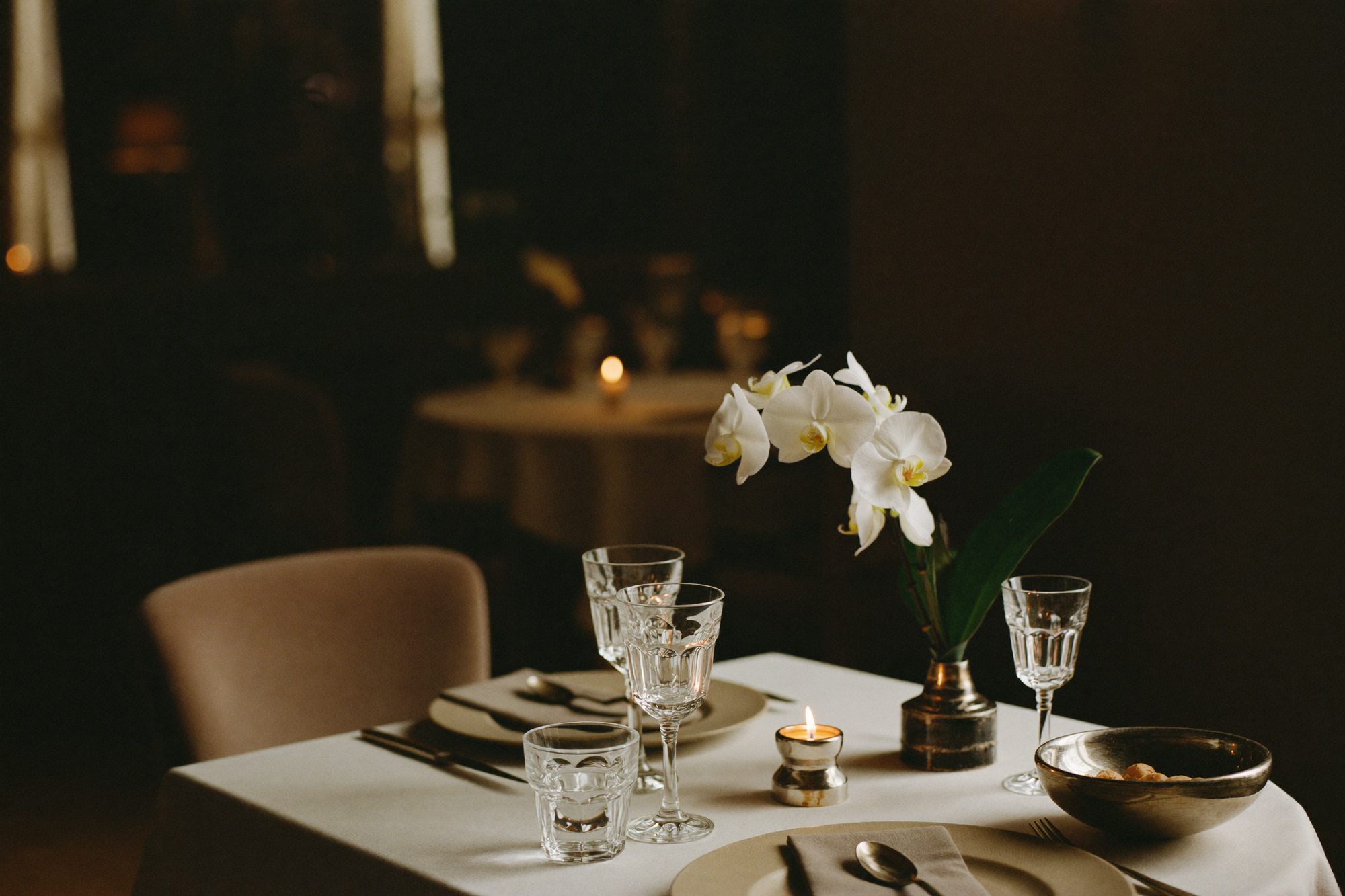
Then we go looking. A gallery opened after hours, with only the paintings for company. A meal prepared by someone who no longer cooks for strangers. An afternoon somewhere the public never sees, arranged with the people who quietly hold the keys. These things cannot be bought from a page. They are assembled, one considered introduction at a time, by people who have spent years earning the right to ask.
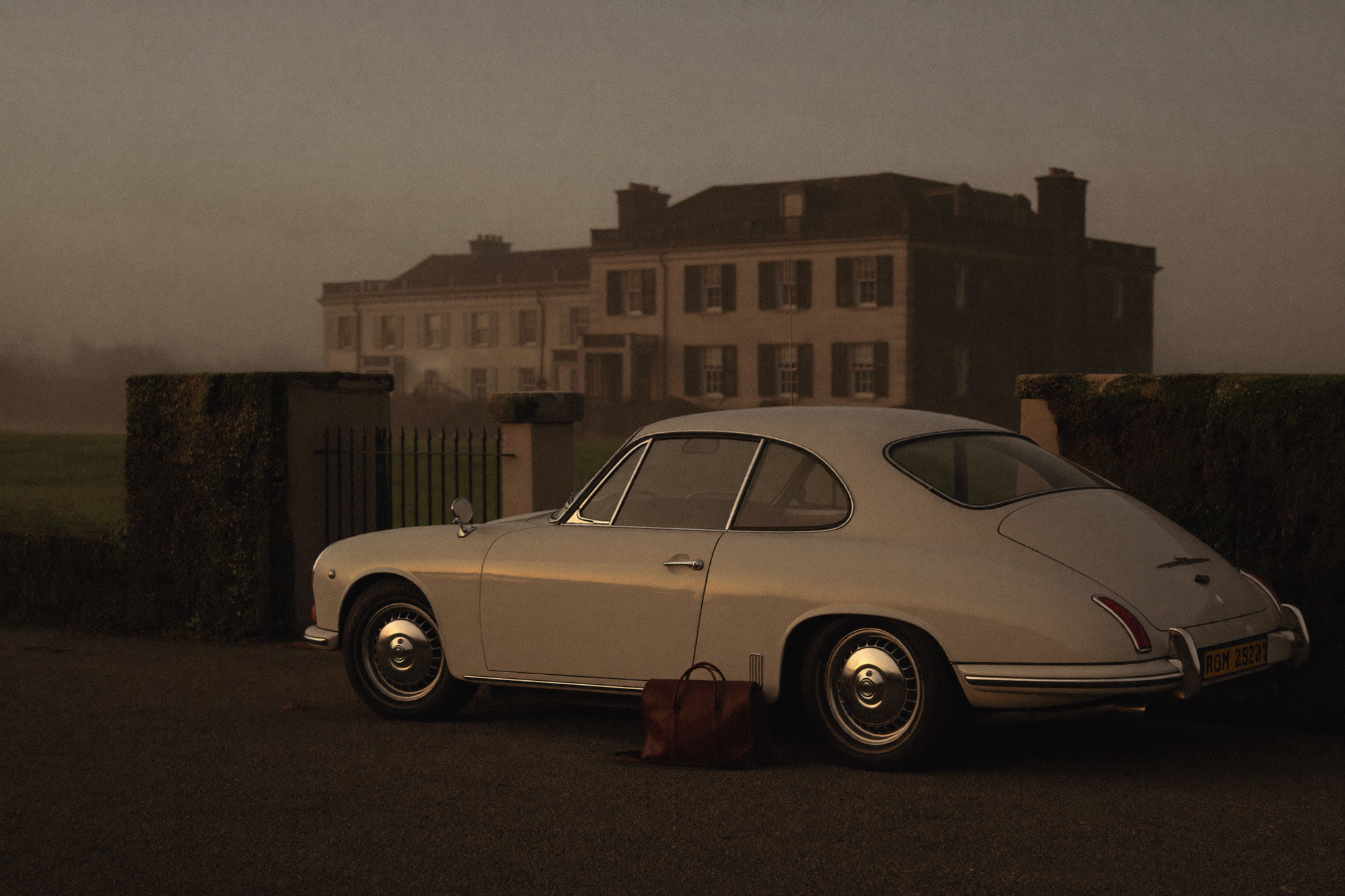
What turns access into memory is the choreography around it. The car already waiting. The small detail nobody mentioned but everyone noticed. The pacing of the hours, so the day neither hurries nor sags. We rehearse the awkward moments in advance, quietly, so that they never arrive. We stay near enough to catch anything that slips, and far enough away that no one ever feels handled.
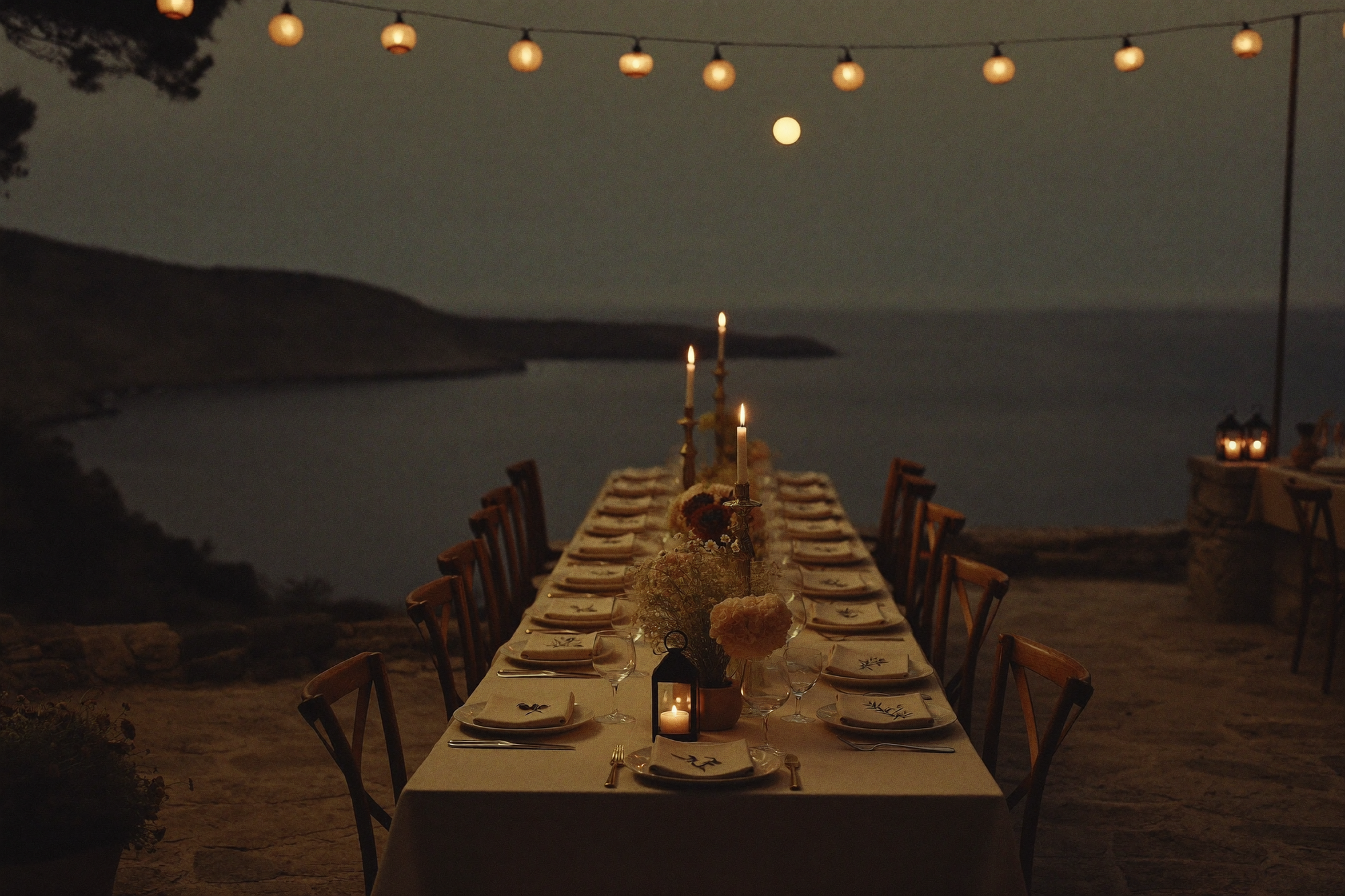
When it works, it does not feel arranged at all. There is no seam to notice, no effort on display. The person simply looks up at some point in the afternoon and realises they are inside something they will never quite be able to describe to anyone who was not there. That is what we are really asked for. Not access, and not spectacle, but a day that could only ever have happened this way.