Access
The art of the sold-out room, and how to get in
The fully-booked table, the closed list, the members-only floor — why “sold out” is rarely the end of the conversation.
By the EditorsJune 20262 min read
The fully-booked table, the closed list, the members-only floor — why “sold out” is rarely the end of the conversation.
The word arrives with a certain finality. Sold out. Fully booked. The list is closed. It is meant to end the conversation, and for most people it does. Yet in the places we work, that word describes a situation far more often than it describes a fact. A room said to be full is rarely full in the way the word would have you believe, and knowing the difference is much of what we do.
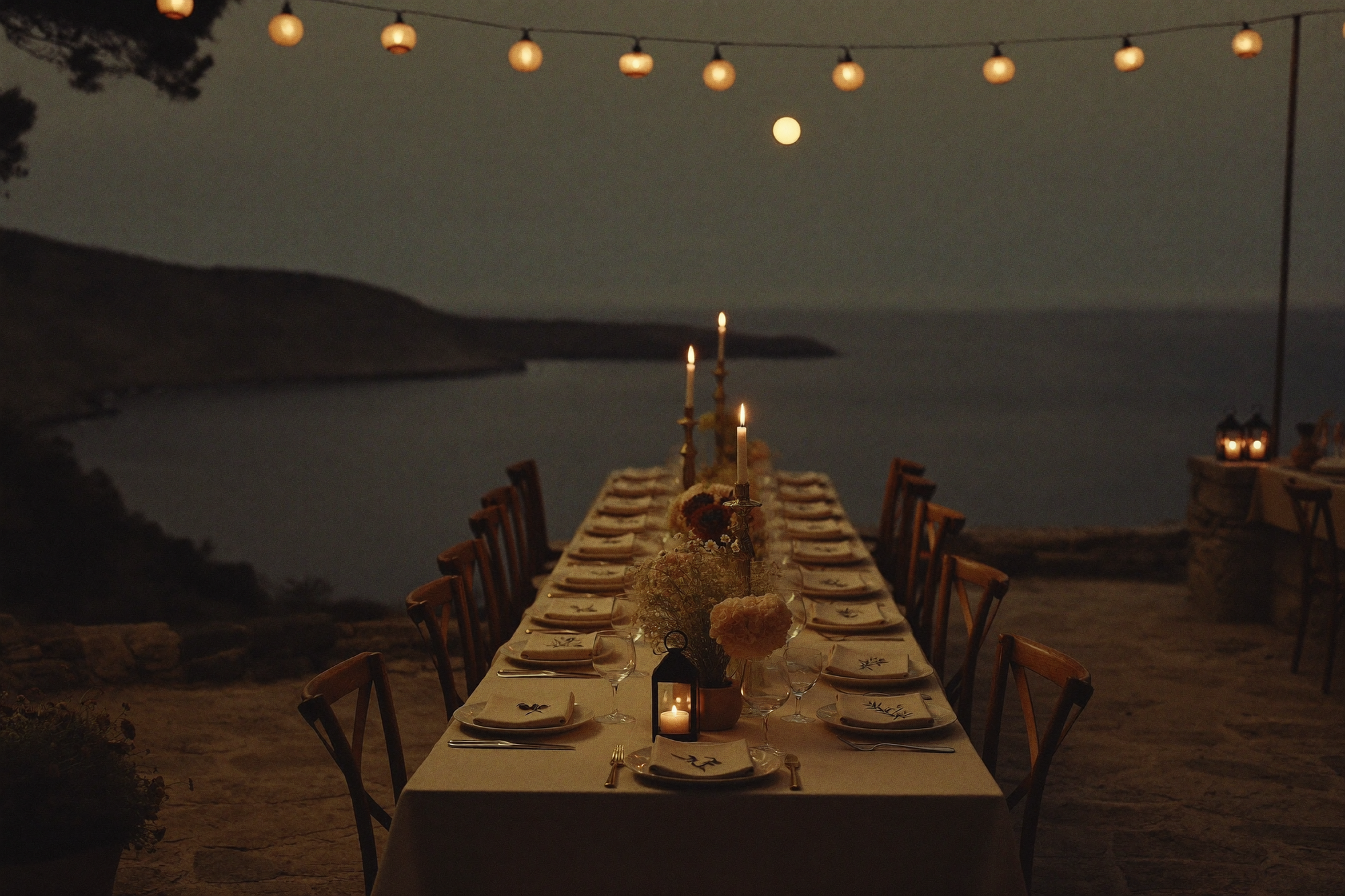
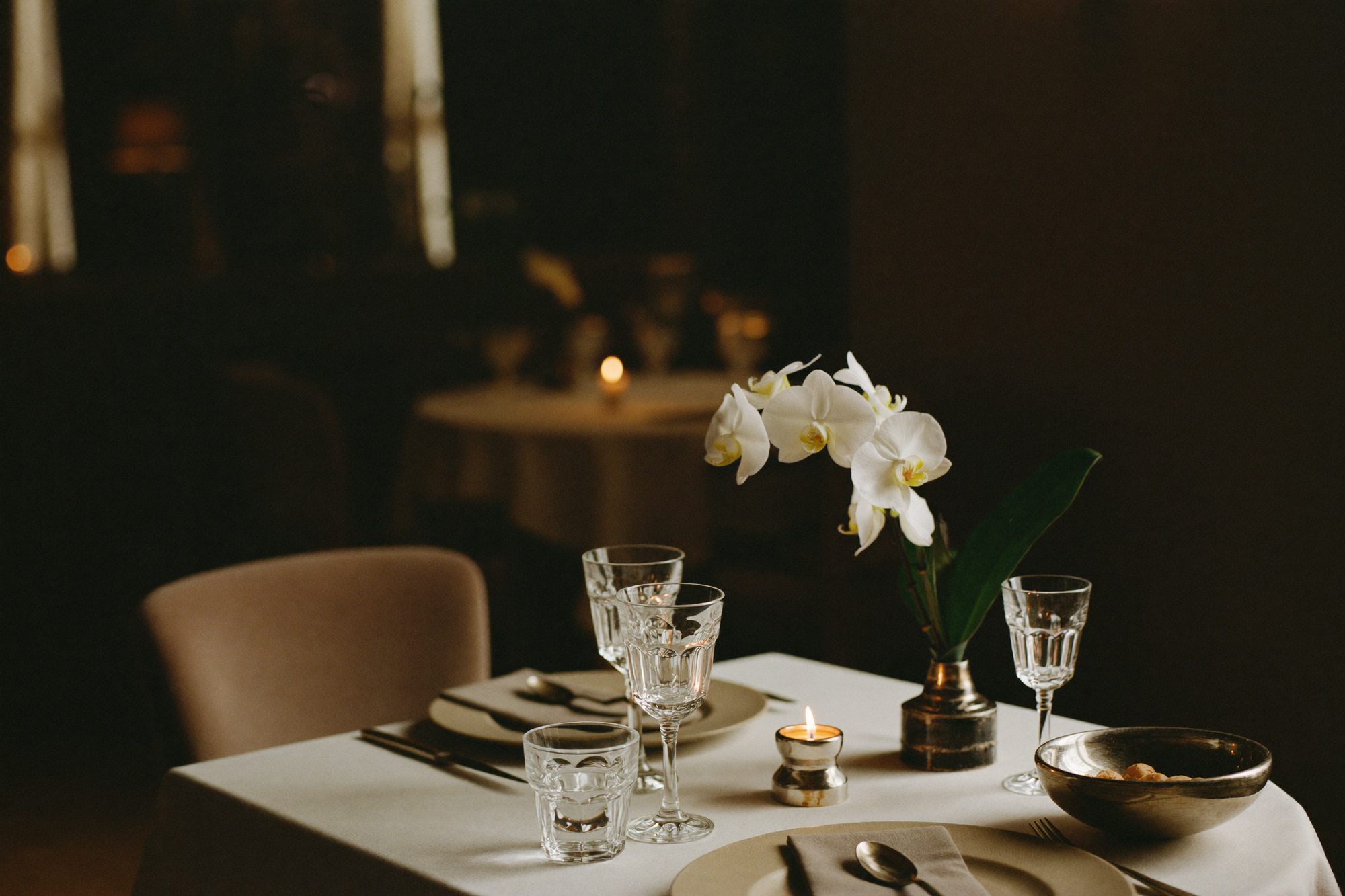
Consider what a full restaurant actually is. A dining room keeps tables it does not offer to the public: held back for regulars, for the owner's friends, for the evening that has not yet declared itself. Reservations fall away as the night approaches. A theatre holds seats until the last moment, and a premiere keeps a row for the people it wants in the room. Full is a line drawn for the general enquiry, and it tends to move the moment the right person leans gently upon it.
This is why the question is seldom about space and almost always about relationships. The maitre d' who finds a table at nine has known us for years and knows we will not embarrass him. The box office that releases two returns does so for a familiar voice rather than an unfamiliar one. None of this can be bought at short notice or summoned from nowhere. It is built slowly, one kept promise at a time, and then it is simply there when it is needed.
So the door tends to turn not on money or insistence but on who is asking, and on whose behalf. An introduction changes the whole character of a request. The very same evening, sought by a stranger and refused, is offered freely when it comes through someone trusted. We spend a great deal of our time being that trusted party, so that the answer which begins as a firm no becomes, quietly and without fuss, of course.
Members' rooms and private floors work by the same logic, only more so. Their whole value lies in who is kept out, which is precisely why a well-placed word carries weight. We do not pick locks, nor trade on favours we have not earned. We simply know the houses, and are known by them in turn, and can answer for the people we bring through the door. A closed list is still a list, and lists are written by people we know.
None of this is about forcing a way in. It is about understanding that sold out is usually a beginning rather than an ending, the opening line of a conversation and not the last word on the matter. The premiere, the table by the window, the room upstairs that admits almost no one: each is within reach for the person who knows to ask, and to ask through the right hands.