Experiences
The gift you forgot, delivered on time
A birthday tomorrow, an anniversary tonight — how the right present is found, wrapped and in the right hands before anyone notices.
By the EditorsApril 20262 min read
A birthday tomorrow, an anniversary tonight — how the right present is found, wrapped and in the right hands before anyone notices.
It happens to everyone, and to the busiest people most of all. A birthday is tomorrow. An anniversary is tonight. The date arrived the way dates do, quietly, while a hundred other things were louder. There is a short, cold moment of realising it, and then there is the call to us, which is where the panic ends and something quieter takes over.
The instinct in a hurry is to reach for the expensive thing, on the theory that money reads as effort. It rarely does. The present that lands is almost never the costliest one; it is the one that shows the person was actually seen. So before we look for anything, we ask about them. What they collect, what they have said they love, the small habit or the running joke, the thing they mentioned once and assumed no one remembered. That is where the right gift is hiding, and it is usually not where the obvious money would send you.
Once we know what it should be, finding it becomes our problem rather than yours, and it is a problem we are well placed to solve. A particular edition, a maker who works to order, a bottle from the right year, an object that exists in only a few places in the world. Our reach is the point; while you carry on with your day, the search is already moving through the people who can put their hands on the thing quickly.
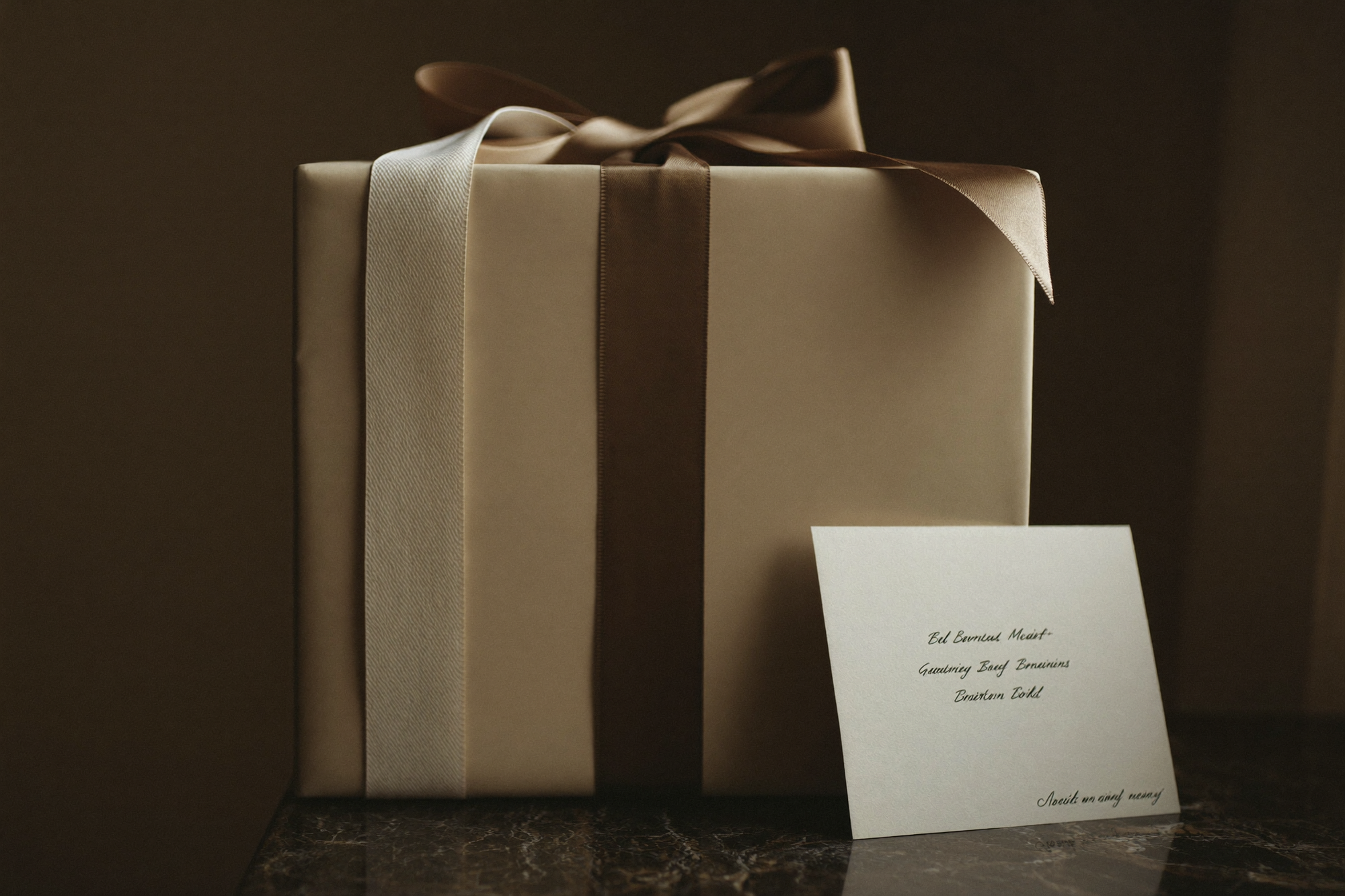
Then there is the matter of how it looks when it arrives, which is not a detail but half of the gift. It is wrapped properly, by hand, in a way that suits the recipient rather than the season. Where a card is right, it is written by hand in an unhurried line, never printed and never rushed. The presentation should say that thought was given, because thought was given, even if it was given quickly.
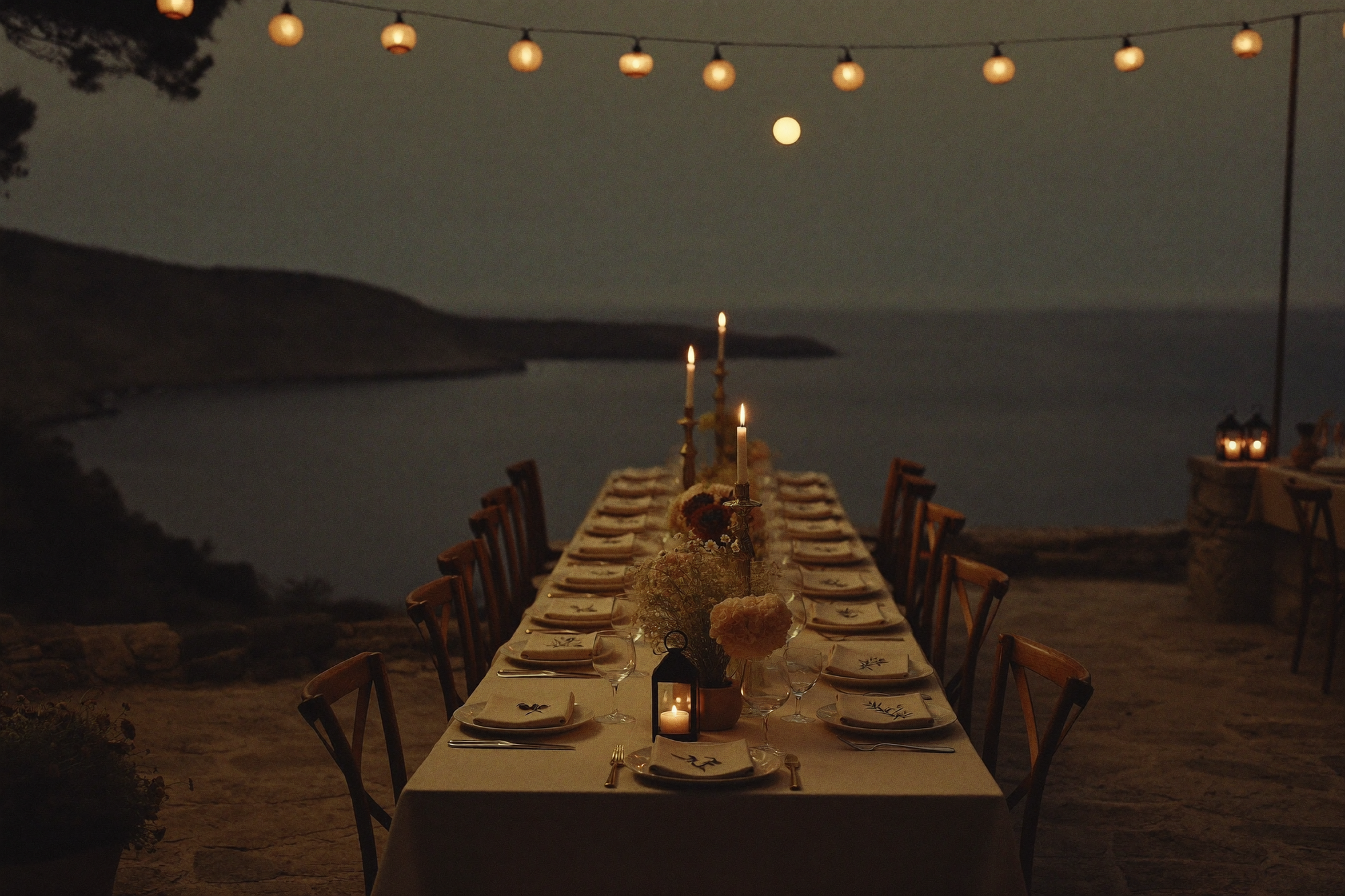
And then it moves. Same-day delivery across a city, or across a border by evening, placed into the right hands at the right hour, whether that is a doorman, a maître d', or a seat at the table with the candles already lit. We time the arrival to the moment rather than the calendar, so it lands when it should and not a beat too early or too late.
What the recipient sees is a present chosen with care and delivered without a hint of hurry. What they do not see is the morning it was rescued, the reach that found it, the hand that wrapped it and the timing that carried it across a city to arrive exactly on the hour. That distance, between how it looked and how close it came, stays entirely with us. It is the whole of the work, and it is the part no one is ever meant to notice.