Travel
Private aviation, without the friction
Jets, slots, crews and last-minute changes — how private flying should feel when the logistics are simply someone else’s job.
By the EditorsMarch 20262 min read
Jets, slots, crews and last-minute changes — how private flying should feel when the logistics are simply someone else’s job.
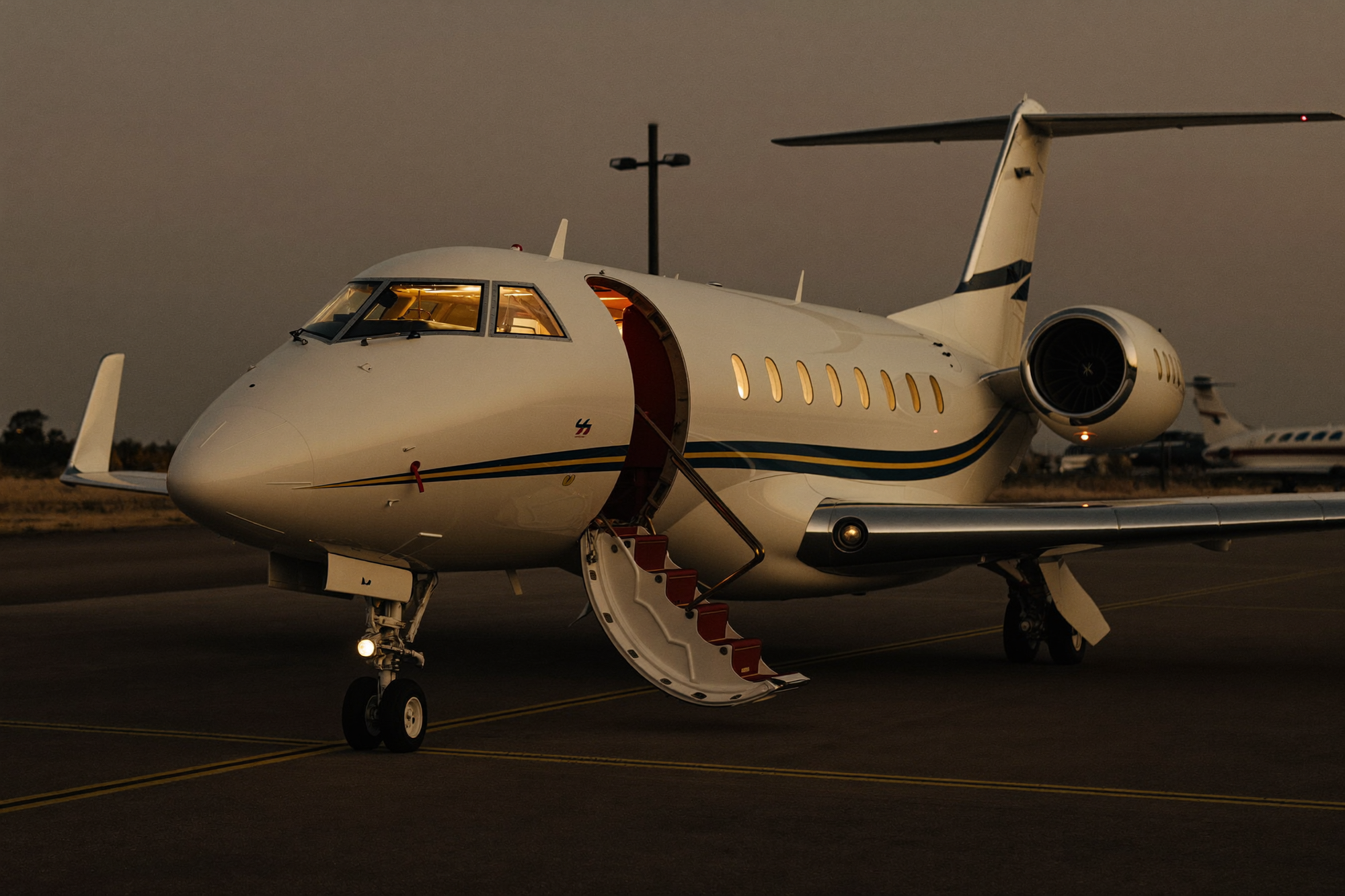
Private flying is often sold as a single thing: the aircraft. In practice the aircraft is the least of it. Anyone can name a jet. What decides whether a journey feels effortless or merely expensive is everything that happens around the flight, the arrangements a traveller never sees and never should. That is where the real work sits, and where most of it quietly goes wrong for the people who try to manage it alone.
It starts with matching the aircraft to the trip rather than the other way around. A short hop with two passengers and a long crossing with a family and their luggage are not the same problem, and the right answer is rarely the largest cabin available. We weigh range, runway, timing and comfort against how the day actually needs to run, then choose the aeroplane that disappears into the background, which is the only thing an aircraft should ever do.
Slots, permits and crew are where good intentions meet reality. A departure time is a negotiation with airports, handlers and airspace, not a line on an itinerary. Overflight and landing permissions take hours nobody wants to spend. Crews carry legal limits on the length of their day. We hold all of this at once, so that what reaches the traveller is a single, calm confirmation: a time to leave, and nothing to think about.
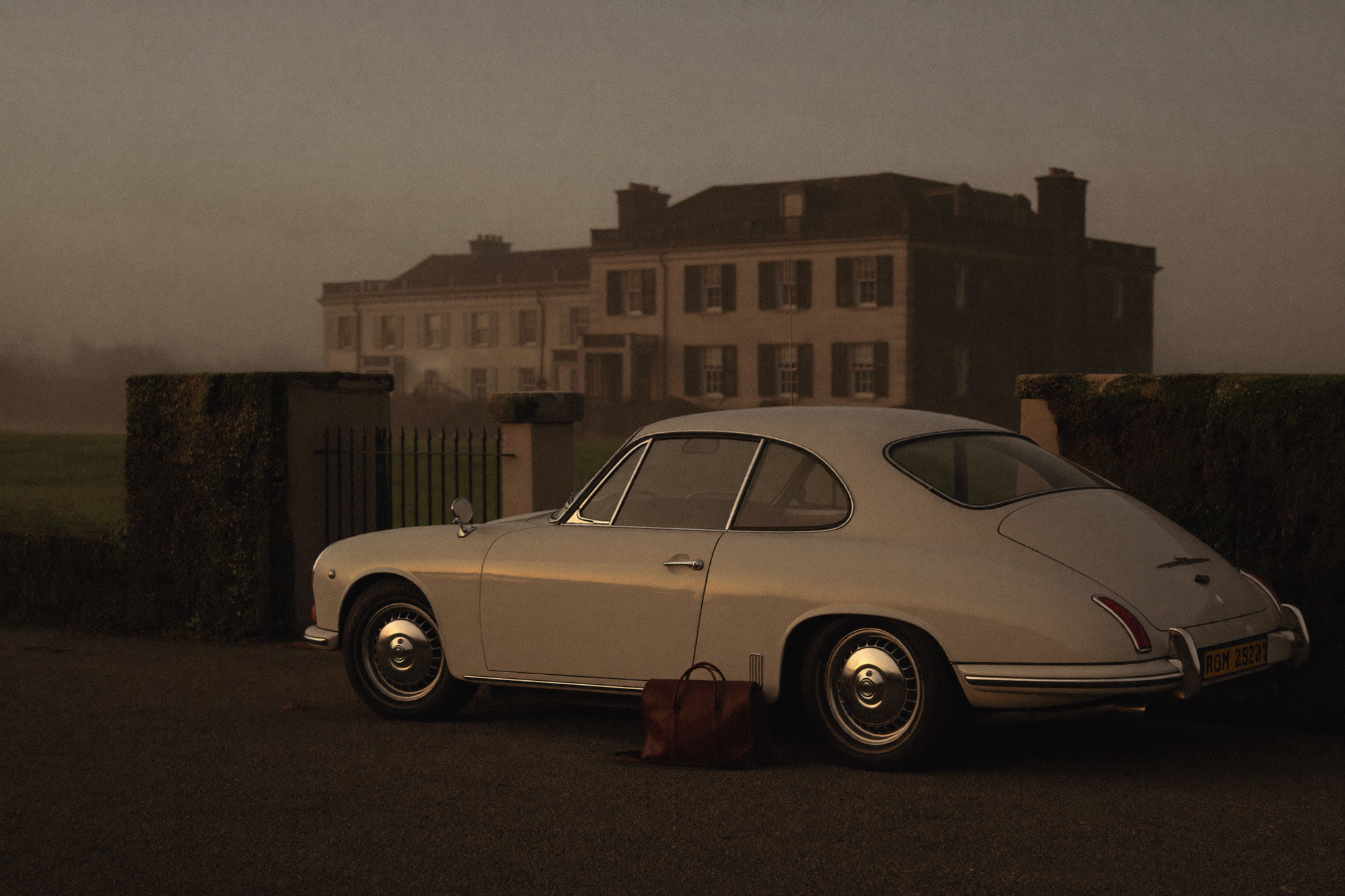
Then there is the ground, at both ends. A flight that lands perfectly and leaves someone standing on a tarmac has failed. We arrange the car that is already there, the crossing through the terminal that takes minutes rather than an hour, the catering that reflects how this particular person actually eats, the temperature of the cabin, the papers on the seat. None of it is grand. All of it is noticed, and its absence is noticed more.
Plans move. A meeting runs long, weather closes an airport, a family decides at breakfast to leave a day early. The measure of the work is not whether the plan holds, but how quietly it can be rebuilt when it does not. We would rather absorb a change than explain one. The traveller hears a new time, calmly given, and rarely learns how many things were rearranged behind it.
Done properly, private aviation is unremarkable in the best sense. There is no drama, no scramble, no sense of logistics pressing in. The flight becomes what it should have been all along, a quiet interval between one place and the next, handled entirely by someone else. The aircraft was never the point. The point was that, for a few hours, none of it was the traveller's to carry.